Brain Science
Understand how stress affects thinking and behavior.
For schools, organizations & helping professionals
Mindy offers practical presentations, author visits, resources, and collaboration that help children, caregivers, and staff better understand behavior, stress, personality, and communication.
Led by Mindy Green, MSW—former school social worker, parent educator, author, and speaker.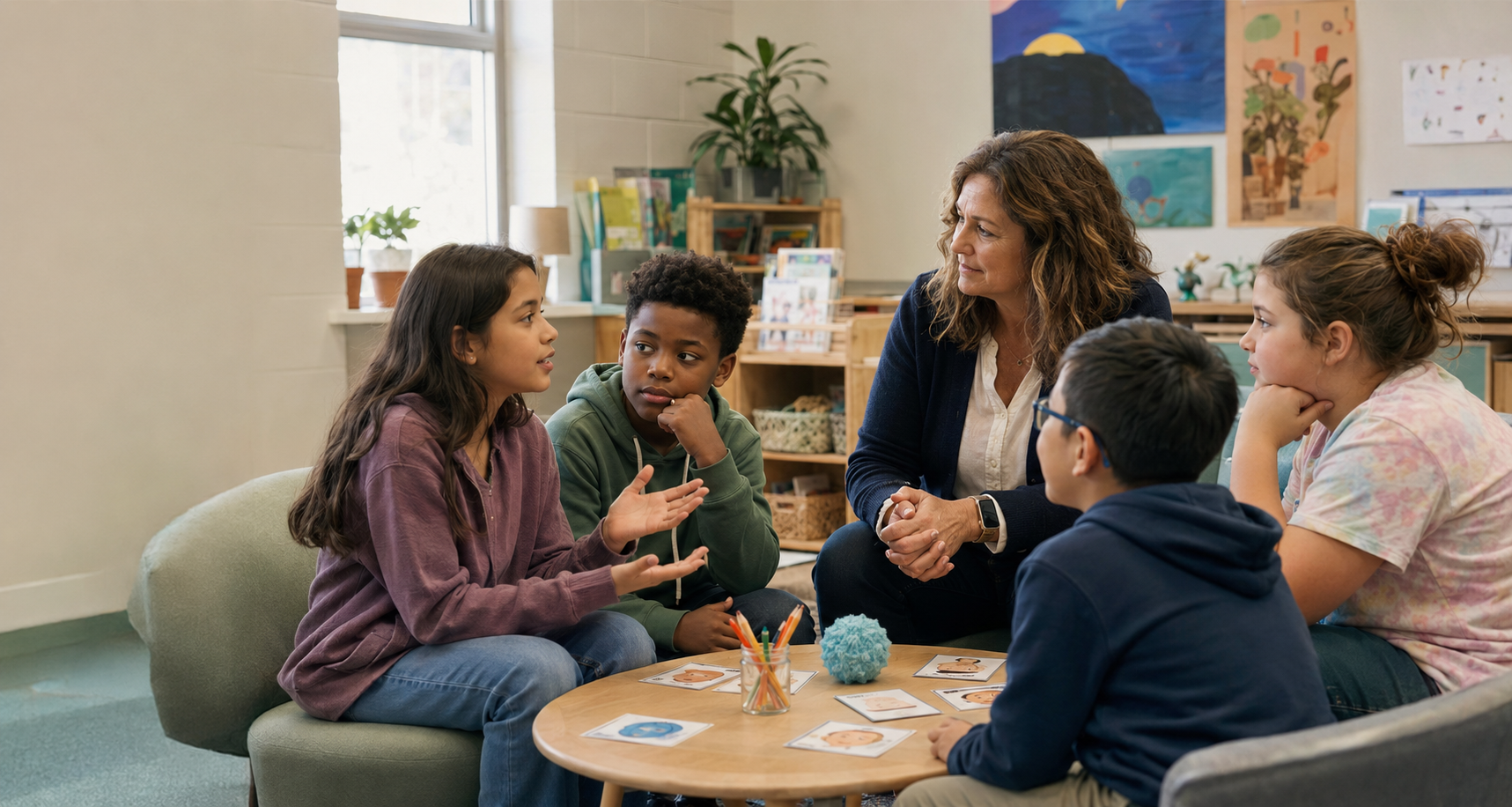
A shared mission
You may be supporting children who shut down, react intensely, or struggle with transitions. Staff may need shared language, while caregivers need ideas they can realistically use at home. Mindy turns brain science, regulation, and personality insights into practical conversations and tools for your setting.
Understanding does not remove accountability. It helps adults support dignity, responsibility, connection, and growth.
Who this page is for
For schools and the wider community of people supporting families.
Schools, educators, school social workers, counselors, and student-support teams
Boys & Girls Clubs, after-school programs, and youth organizations
Libraries, community centers, nonprofits, and family-resource programs
Social workers, therapists, parent educators, coaches, and other helping professionals
The Stretchy Brain Framework™
A shared language for looking beyond the reaction while keeping expectations clear.
Understand how stress affects thinking and behavior.
Practice ways to pause, reset, and recover.
Recognize different communication and emotional needs.
Support dignity, responsibility, and skill-building.
The framework complements the professional judgment, programs, and services already in place.
Ways to work together
Choose a children’s program, parent presentation, staff conversation, resource, or collaboration.
Programs for Children
Interactive elementary read-alouds can include Bubble Breath, conversation about frustration and perseverance, a simple activity, and author Q&A.
Ask about a children’s program →Support for Parents & Caregivers
Presentations explore topics such as stress, personality, communication, routines, focus, resilience, and what may be happening beneath behavior.
Explore parent education →Staff & Professional Learning
Current topics include nervous-system awareness, personality-informed communication, regulation, repair, family communication, and healthy expectations.
Discuss a presentation →Community Collaboration
Mindy welcomes mission-aligned conversations about conferences, family events, book-centered programs, parent engagement, and resource partnerships.
Start a collaboration conversation →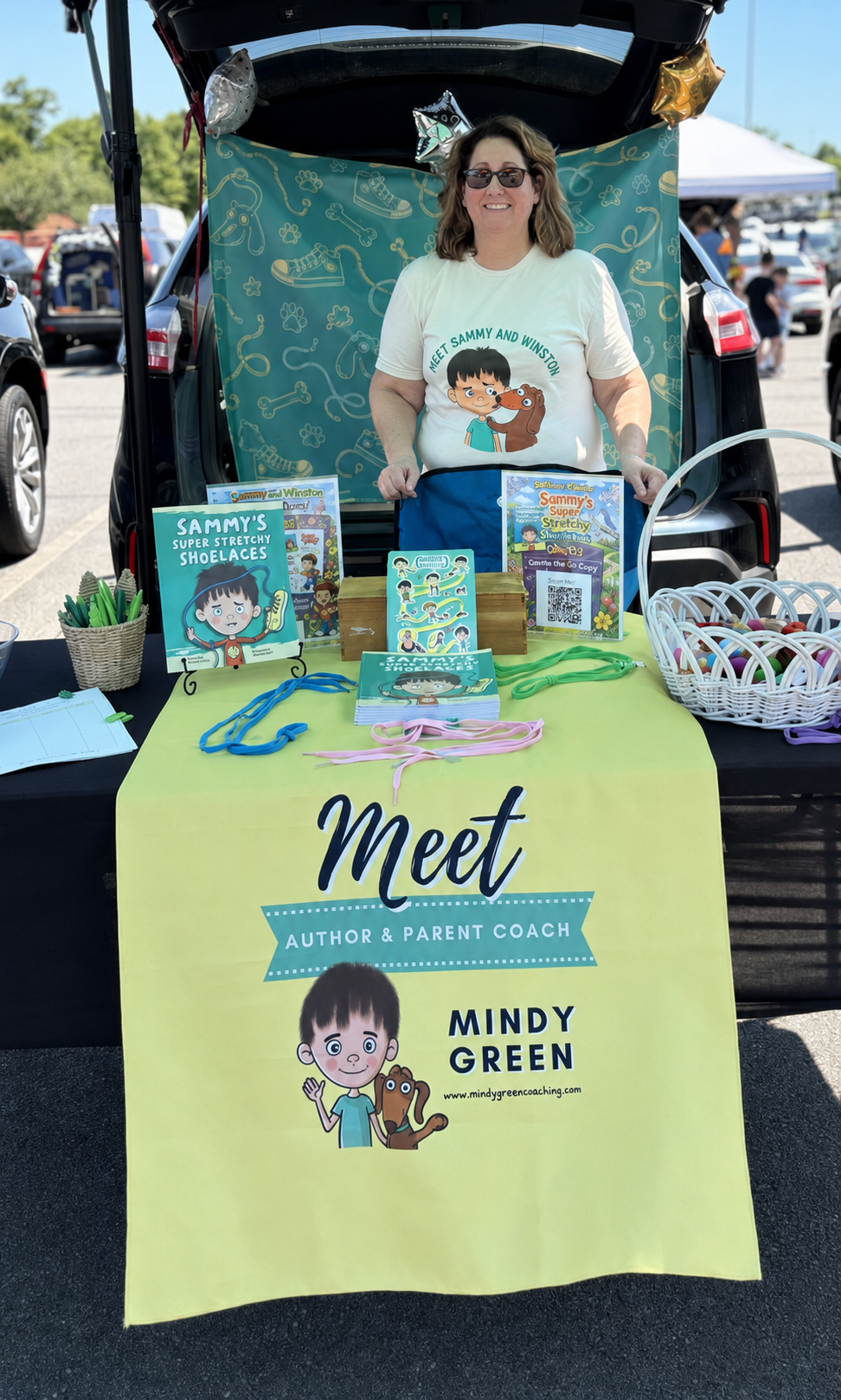
Mindy sharing Sammy’s Super Stretchy Shoelaces and hands-on Stretchy Brain activities at a community family event.
Books & practical resources
Current materials support read-alouds, family engagement, routines, regulation, personality, communication, and youth programming.
Useful for: Elementary read-alouds, counseling conversations, libraries, family events, and youth programs
Useful for: Breathing, movement, feelings, friendship, calming tools, confidence, and reflection
Useful for: Parent education, helping-professional conversations, and more productive family communication
Useful for: Back-to-school routines, mornings, transitions, homework, focus, and expectations
Stretchy Brain Activity Cards are planned for the fall. Additional counselor and educator resources are also in development, with details to be shared as they are finalized.
Complete counselor guides, standards-connected lesson resources, and a comprehensive schoolwide curriculum are not currently available.
Ask about developing resourcesA few helpful details
Schools, Boys & Girls Clubs, libraries, youth programs, nonprofits, family-resource organizations, conferences, and helping professionals are welcome to inquire.
Many current books and child-centered activities are designed for elementary-aged children. Parent, caregiver, and professional presentations can also address the school-age years through the teens when the topic fits.
Mindy considers your audience, goals, time, and setting, then determines whether a current topic or resource is a good fit.
No. This work provides education, discussion, skill-building, and family-engagement support—not clinical treatment, supervision, or a replacement for existing services.
Begin with a conversation
Share your audience, setting, goal, preferred format, and the kind of support you are considering.
Start a conversation